In the hustle and bustle of everyday life, finding time to prepare healthy meals can seem like an impossible task. But what if I told you that with a little planning and creativity, you could enjoy nutritious, home-cooked meals without the daily struggle? Welcome to the world of meal prep, a game-changer for anyone looking to maintain a healthy lifestyle amidst a busy schedule. This is particularly true for Nigerians juggling career, family, and social commitments while trying to maintain a diet that honors traditional flavors.
Meal prep isn't just about cooking in bulk; it's an art and a science that can transform your eating habits and simplify your life. For Nigerians, this means creating weekly menus that embrace our rich culinary heritage, filled with flavor and nutrients. Imagine having your favorite jollof rice or egusi soup ready to go in your refrigerator, portioned and perfectly seasoned, saving you both time and stress. Let's dive into the secrets of effective meal prep, tailored specifically for the Nigerian palate.
Understanding Meal Prep Basics
What is Meal Prep?
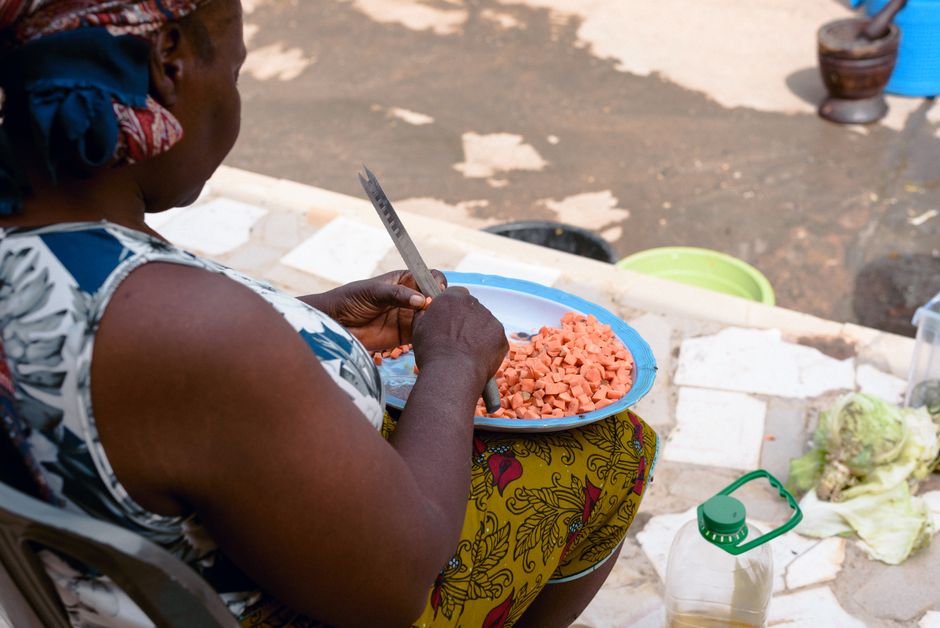
Meal prep involves preparing meals ahead of time, which can be as simple as chopping vegetables or as complex as cooking entire dishes. It helps in managing portion sizes, ensuring nutritional balance, and reducing the temptation to order takeout.
Benefits of Meal Prep
- Time-Saving: Spend a few hours one day to save many throughout the week.
- Cost-Efficient: Buying ingredients in bulk can lead to significant savings.
- Healthier Choices: Pre-planned meals reduce the likelihood of unhealthy food choices.
"Planning your meals is like planning your goals—the more detailed you are, the more successful you'll be."
Key Elements of Nigerian Meal Prep
Utilizing Local Ingredients
Embrace the abundance of local markets. Fresh vegetables like ugu (pumpkin leaves), okra, and tomatoes are not only affordable but also packed with nutrients. Establish a relationship with local vendors to get the best deals.
Incorporating Nigerian Staples
Yams, plantains, and rice are staples in the Nigerian diet. Learn to prepare these in advance and store them properly. For example, boiled yams can be frozen and reheated without losing their texture.
Practical Meal Prep Strategies
Batch Cooking Techniques
Choose a day, preferably a weekend, to cook in batches. Dishes like stew, soup, and sauces store well and can be used with different base foods like rice or yam.
Portion Control and Storage
Invest in quality storage containers. Portion your meals according to your dietary needs—this not only helps in maintaining a balanced diet but also reduces food waste.
Overcoming Common Meal Prep Challenges
Maintaining Variety
Switch up recipes weekly to avoid boredom. Rotate between traditional dishes and explore new recipes that incorporate local ingredients.
Time Management
Set realistic goals for each prep session. Start small and gradually increase the complexity of your meal plans as you become more comfortable.
"Consistency is key. A little preparation goes a long way in ensuring a healthy, balanced diet."
Conclusion
Meal prep is more than just a trend; it's a sustainable lifestyle change that can help you enjoy the richness of Nigerian cuisine while maintaining a healthy diet. By organizing your week with pre-prepared dishes, you're able to focus on what truly matters—spending quality time with family and friends without compromising on nutrition. Remember, the key to successful meal prep is patience and creativity. Start simple, stay consistent, and soon, you'll be a meal prep pro, enjoying a nutritious and flavorsome Nigerian diet every day.